• Hello!

    Either you have not registered on this site yet, or you are registered but have not logged in. In either case, you will not be able to use the full functionality of this site until you have registered, and then logged in after your registration has been approved.

    Registration is FREE, so please register so you can participate instead of remaining a lurker....

    Please be certain that the location field is correctly filled out when you register. All registrations that appear to be bogus will be rejected. Which means that if your location field does NOT match the actual location of your registration IP address, then your registration will be rejected.

    Sorry about the strictness of this requirement, but it is necessary to block spammers and scammers at the door as much as possible.

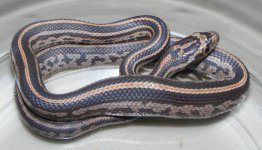
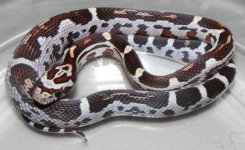
Anery Widestripe X Tessera 2012

dave partington

Crazy Dave
Barbara:
attachment.php


Her belly:
attachment.php


Traxxx
attachment.php


His belly:
attachment.php


12 eggs laid, 11 hatched. The 12th contained a DIE normal color normal (wild-type) pattern.

Notes: When AWS is bred to amel wild-type, with no hets, all of the offspring are of normal coloration, and of wild-type pattern. I have not hatched test motley pairings yet. Bred to wild-caught, 100% wild-types are produced. So far, only when bred to Anery A or B do some of the F1 offspring show striping or aberrant patterning. About 25% with Anery A pairings, 50% with Anery B pairings. Testing with Lavender this year to see what happens, they have not hatched yet. Also testing with amel het anery a & b this year.

11 photos coming soon.
 
Last edited:
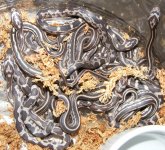
I see that aspects of the wide-stripe have passed on to the normal offspring?

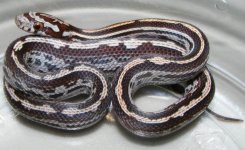
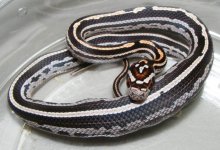
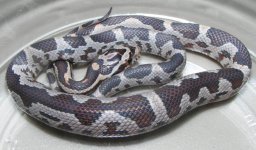
yes, which it should not have, but it did. The "normals" have checkered bellies. This was a curiosity pairing, to see what happens when two F1 dominant pattern genes collide. Plan on holding back 2-3 male "tess-looking-ones", and all the females regardless of phenogenotypey thingy.

I will have to defer to everyone's expertise to help me figure out which striped ones are tessera, or if some of them are something-elses???

Thank you for the comments-
 
Hard to tell from just the one pic, but it appears as if the tesseras pattern is "normal" for them or unaffected. The stripes look clean for the most part. Maybe the tessera trait dominates over the wide stripe trait?

Nice looking animals, congrats

dc
 
Dave, weren't you thinking that the wide stripe was somehow connected to anerythrism?

Well, I was.....but then, this year,
(and the following has hatched since I made my last post on this thread)
I bred the widestripe to blizzard and got 50% anery with severely distorted pattern, 25% amel, and 25% blizzards. All with some aztecy/ziggy zaggy pattern distortion. Also bred to amel het anery A and got the similar results, though with markedly less pattern distortion on the snows/amels. And one wild type/wild color but with pattern distort.

It appears that AWS is likely to show more f1 pattern distortion when Anery B is present, then when Anery A is present. Present, in either homozygous or het.

The zinger here is that the anery widestripe male was not supposed to be het amel, but is. I'm guessing that the other original male was used by Sean when he did his test breeding with an amel not het for anything at all, which produced all normally patterned offspring. Lucky me, 20 more holdbacks to feed for 4 years and shoot for F2s. Unless I get a decent offer. LOL.

Gee whiz, hijacking my own thread. Classic.


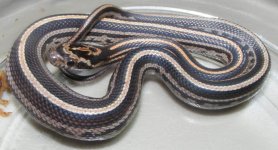
Anyways, here's a few pics of the Tess X AWS babies.
 

Attachments

  • AWSTESS12a.jpg
    AWSTESS12a.jpg
    73.9 KB · Views: 55
  • AWSTESS12b.jpg
    AWSTESS12b.jpg
    76.4 KB · Views: 55
  • AWSTESS12c.jpg
    AWSTESS12c.jpg
    62.7 KB · Views: 55
That's weird that the wide stripe babies have such nice gray backgrounds! I wonder where that came from.
 
Back
Top