The search feature of this site gives instant answers
Anybody that wishes to address the above post, go for it.
One would need more specifics such as how old when you got them,
how long are they now,..lots of variables...do you have a breeding pair or a pair of same sex Corns...how do you know?
One should try to read / research as much as they can before setting out to breed the kids. Mind as well do it right the first Time

This is a friendly
reminder to newbies, to seek and find basic info as you need it by using the search feature of this site.
Sure comes in handy, information when you need it, as you need it.
As I ramble on:
Not so long ago,before the internet, (back in the "good" ol days) information about breeding exotic pets was almost non existent,
people who did know, kept breeding secrets under there hats, as trade secrets,for the most part.
Those who knew weren't talkin...i.e. don't create your own competition, and thereby keep prices up, was the consensus.
Old obselete library books with inaccurate information was state of the art 20, 30 years ago.
Lots of by the seat of their pants, hit or miss breeding went on as people literally invented how to breed various exotic animals in captivity.
The exotic pet industry relied, almost totally, on foreign unrestricted wild harvested imports back then.
As far as Corn snakes, I'm would think that Wild caught Corn snakes were then the pet store industry standard,
if you saw them at all here in Arizona pet stores.
The mentality then was, when you can buy wild caught so dang cheap, why would any one want to bother trying to captive breed them, didn't make any sense to a rational man.
I breed Parrotlets now and they (parrots in general) poured into the country for a time literally by the millions. When legal imports were cut off to the U.S., many hadn't even considered setting aside breeding stock, as the supply was apparently endless.
Most people, even zoos, were unsure (read clueless) how to go about the succesfull breeding of large parrots and macaws consistently in captivity, lots of trial and error went on..., and the hand fed domestically bred parrot / macaw industry was born.
A wild caught parrot that would stand on your arm and not bite you (much) was considered tame before hand feds came along.
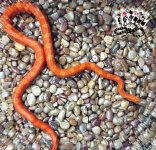
The Corn Snakes morphs of the future (now) were not even imagined back in the day, by anyone I knew anyways.
It's absolutely amazing to me, that such beautiful color morphs and patterns have been created by selective breeding in recent times.
We have mad genetic scientists busy at work, creating / carving out a niche pet industry segment, with a wink to Rich and the other "Corn snake Pioneers" that lurk around here.
What an exciting time to be involved in the captive bred evolution of Corns, such beautiful morphs being created / developed as we speak, that will be enjoyed and appreciated by Corn Keepers, for many generations to come.
Even People who who have never considered keeping a Snake, are being drawn into the hobby by the corn snakes beautiful, graceful appearance and their reputation of having gentle temperments.
When they figure out there not slimey, they're hooked.