• Hello!

    Either you have not registered on this site yet, or you are registered but have not logged in. In either case, you will not be able to use the full functionality of this site until you have registered, and then logged in after your registration has been approved.

    Registration is FREE, so please register so you can participate instead of remaining a lurker....

    Please be certain that the location field is correctly filled out when you register. All registrations that appear to be bogus will be rejected. Which means that if your location field does NOT match the actual location of your registration IP address, then your registration will be rejected.

    Sorry about the strictness of this requirement, but it is necessary to block spammers and scammers at the door as much as possible.

Dilute Anery ?

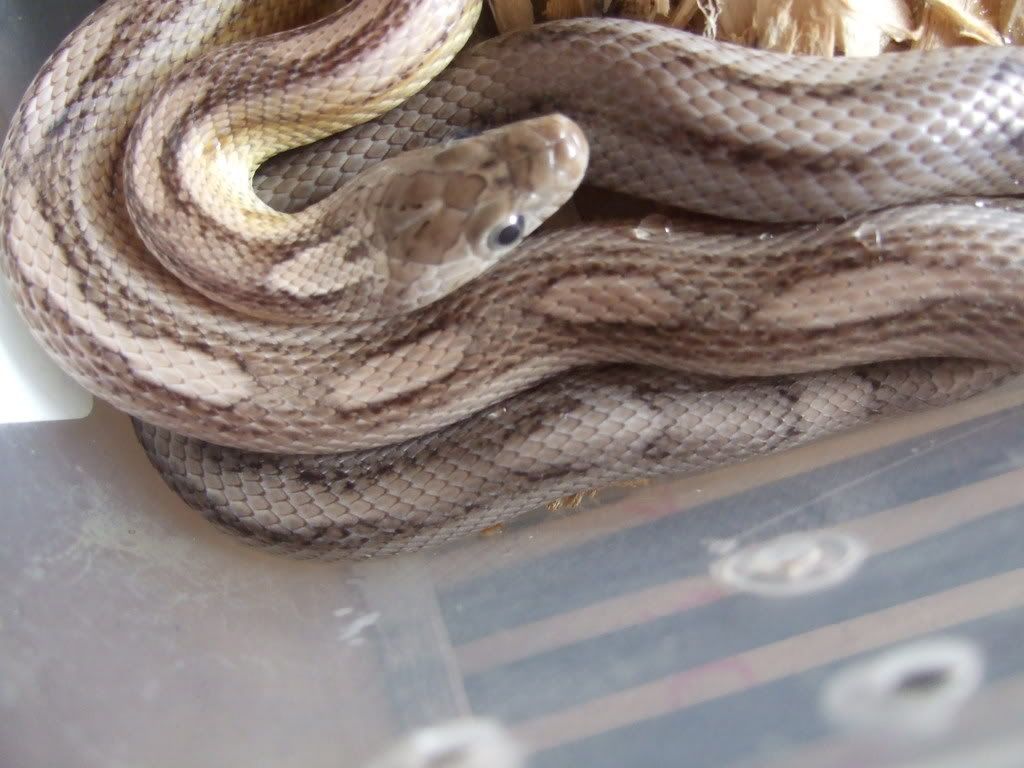
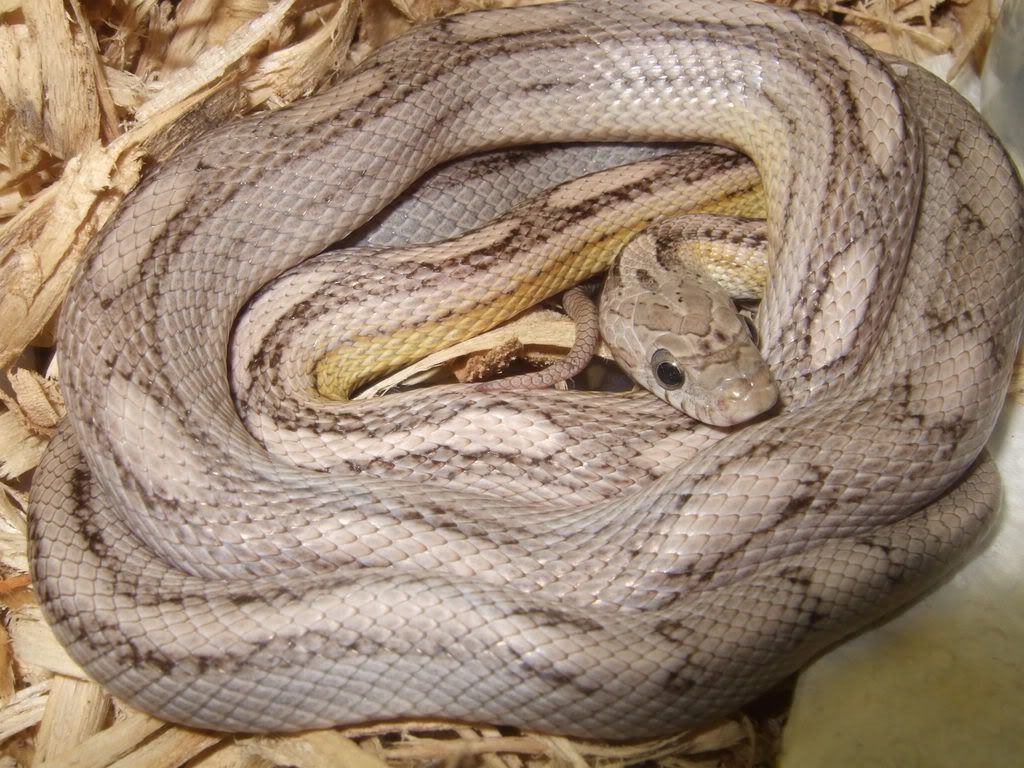
I picked this girl up at a show because she was unusually light colored. She was sold as an anery mot, but I am wondering if there is something else at work here - dilute ? ghost ? I think she is starting a shed cycle now, so she is darker than usual, but I wanted to post her now b/c there is a recycled thread re: dilute anery . I suppose she is just a light colored anery, but the pink and blue tints make me wonder...

isthis2009lauckovulation040.jpg
 
I wouldn't bet on dilute. There are quite a range of aneries. Here's a pic of my anery motley female and her loaner-lover, anery het. hypo, amel. Even though motley tends to lighten the colours a little, as you can see my anery motley is much darker than the anery.

imgp9589_orig_SE.jpg
 
You'll have the best way to tell if she's a dilute anery or not coming up soon. If there is ANY pigment in her shed skin, then she is NOT homozygous dilute.
 
You'll have the best way to tell if she's a dilute anery or not coming up soon. If there is ANY pigment in her shed skin, then she is NOT homozygous dilute.

Susan, can you please explain this a little...what is it about the dilute gene that doesn't leave pigment in sheds? I'm not doubting you at all, just interested.
 
This thread may help explain it:
http://www.cornsnakes.com/forums/showthread.php?t=38461&highlight=pigment

And here is a quote from a thread on another forum that I cannot link to from this site:
The best way I can describe it is that it's about halfway between anery and ghost when they hatch, and it's most noticeable, especially as they age, that they don't brown out like anerys and ghosts. They seem to be the "cool color" version whereas anerys and ghosts always look "warmtoned".

They shed clear, with no hint of melanin in the shed skin, which leads me to believe it's a mutation that causes a lack of or dysfunction of the dendrites (fingers that reach up into the outer layers of skin) of the melanosomes (black pigment producing cells). Normally the cell shoots projections up into the epidermis (outermost layer of skin) and these fingers with pigment in them break off and are shed with each shed skin. Even though they are quite darker than ghosts, they don't shed the pigment in the skin.

Could be that these dilute animals look the way they do due to all melanin being under the iridophore (reflective cell) layer, so the warm tone browns aren't showing (like they do when they are at the surface), but rather look more bluish/blackish, just like lavenders look silvery/purple.

 
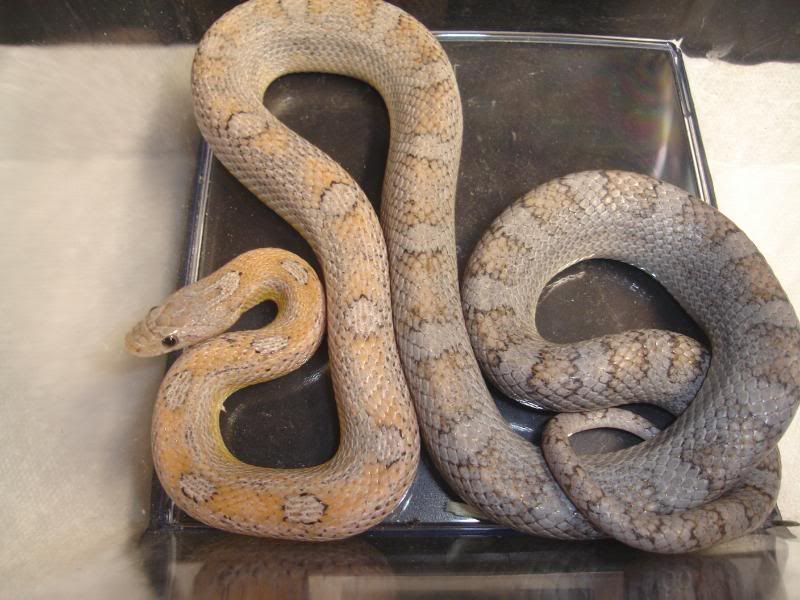
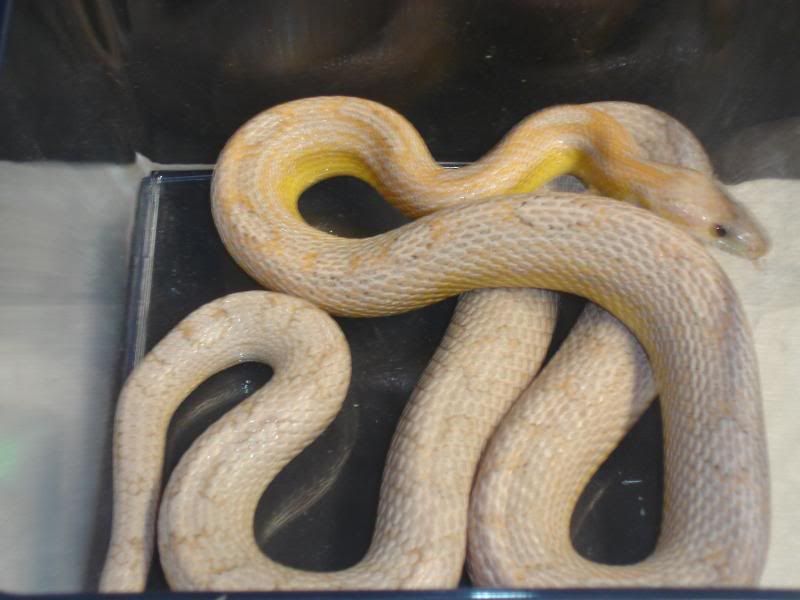
Heres two Dilutes out of the trio that I have ... Im still new to this morph ... I just got this trio about a month ago and i havent witnessed the clear shes yet ... next year when the females are a bit larger ill Breed the trio ... I was told that they are anery dilutes motleys ... anyways just thought i would share my pics ...

Rick

DSC02855.jpg


DSC02885.jpg
 
Wow, I love the look of your adults Rick. I hope you can sell some here.

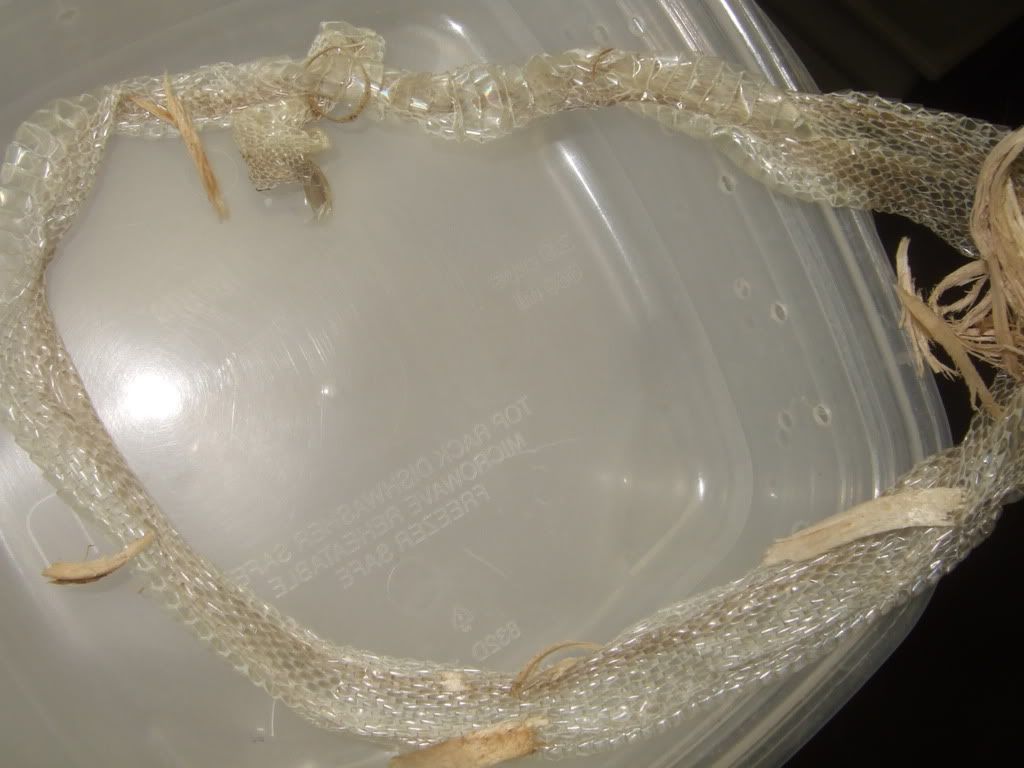
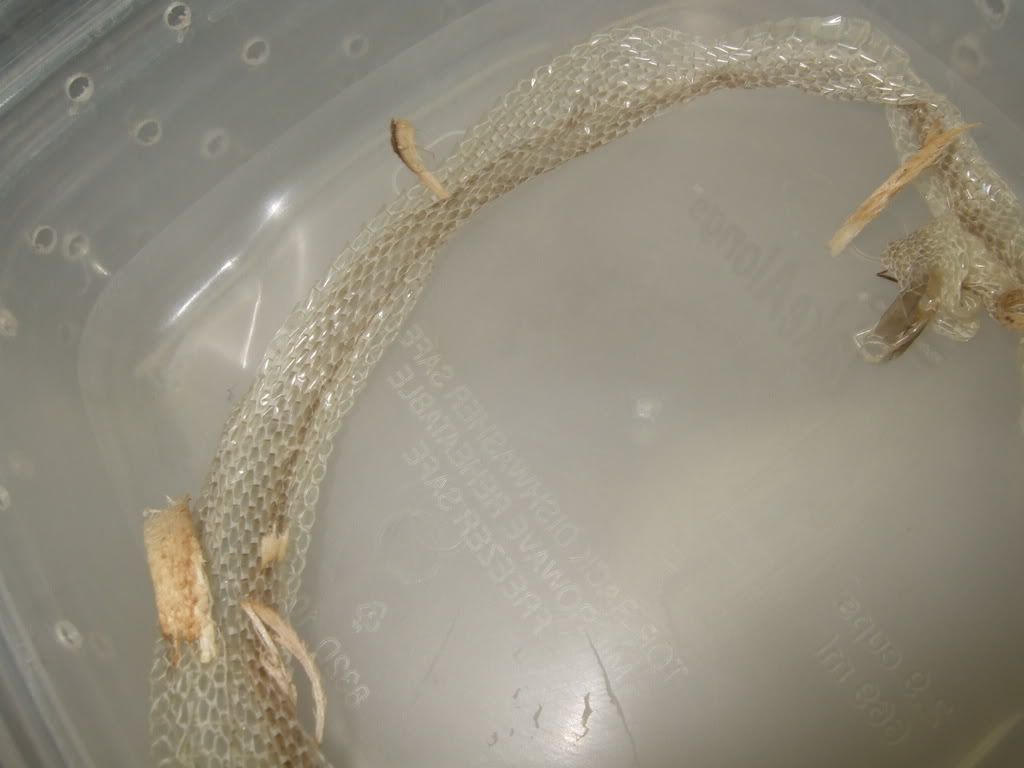
Susan , great description of dilute phenotype. Unfortunately, it means I don't have one, but I am happy with the light color of this anery mot. I post here two pics of the shed from this morning, and her freshly shed pic. At first I was excited because I didn't see any melanin in the shed, but the camera flash with macro lens picked up quite a bit of color, too much to be a dilute, right ?

anerymotandshed002.jpg


anerymotandshed006.jpg


anerymotandshed008.jpg
 
Yes, the pigment in the shed skin means your anery mot isn't dilute (homozygous anyway), but she is gorgeous non-the-less! You can already see the hint of wonderful coloration she'll have. The yellow if obvious, but there is a pinkness to her that can only get better, IMO! I would be proud to have her in my collection, and you never know what hets she might be carrying!
 
Back
Top