-
Hello!
Either you have not registered on this site yet, or you are registered but have not logged in. In either case, you will not be able to use the full functionality of this site until you have registered, and then logged in after your registration has been approved.
Registration is FREE, so please register so you can participate instead of remaining a lurker....
Please be certain that the location field is correctly filled out when you register. All registrations that appear to be bogus will be rejected. Which means that if your location field does NOT match the actual location of your registration IP address, then your registration will be rejected.
Sorry about the strictness of this requirement, but it is necessary to block spammers and scammers at the door as much as possible.
You are using an out of date browser. It may not display this or other websites correctly.
You should upgrade or use an alternative browser.
You should upgrade or use an alternative browser.
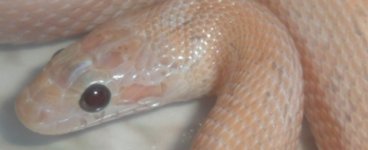
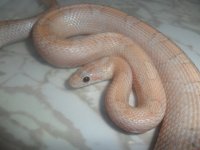
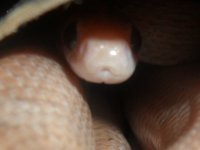
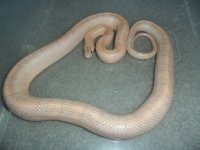
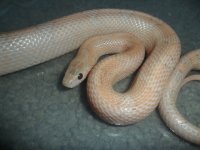
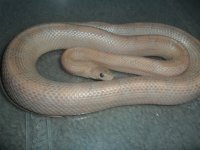
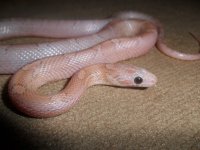
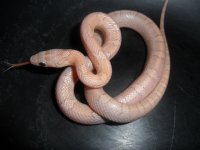
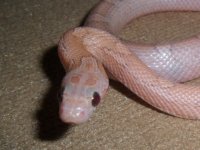
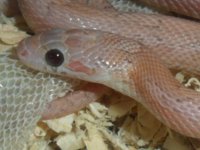
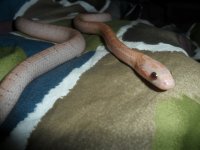
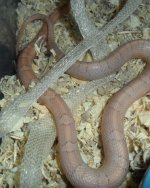
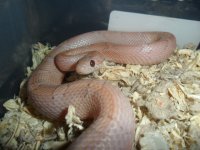
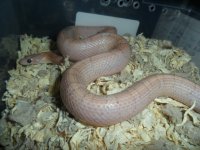
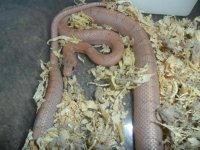
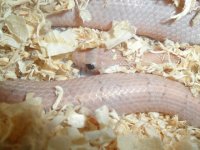
'12 Plasma (M) Nikki (Keeper)
- Thread starter rich333
- Start date



MotleyMedusa7
lovin' my sweet corns
great color on that plasma 




crotalis40741
Nanci said put sexy bangs
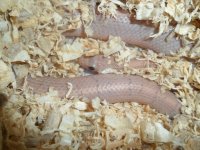
Great looking snake my friend

juliegarner
New member
He is really cute xx
xx
ecreipeoj
Striped Topaz SK SG Free
Sunset Lavender maybe?
He is beautiful. Perhaps I can offer an explanation for his pheno, genetically.
So I don't mess up your photo theme, here is a link to some photos of possible examples of "Sunset" Lavenders. http://www..com/forum/showpost.php?p=76064&postcount=8 Just take a look at the photos, or read more in the thread if there is interest. I can see similarities between Sunset Lavenders and this Plasma.
It is in a thread I where I talk about an undiscribed hypo gene that is in many lines and is perhaps co-dominant or even dominant. It shows itself in Lavenders and Anerys especially. Isn't this very light Plasma, hypomelanistic?
Sunset Lavenders have been around since the beginning of Lavenders it seems. Every breeder has seen them, but the common opinion of them is they are not worth proving out. It sure looks good on this Plasma.
How many Sunset Lavenders have been mistaken for Hypo Lavenders? Many breeders of Hypo Lavenders know the answer to that question. It also causes mistaken identification of "Hypo" combines in other lines as well.
He is beautiful. Perhaps I can offer an explanation for his pheno, genetically.
So I don't mess up your photo theme, here is a link to some photos of possible examples of "Sunset" Lavenders. http://www..com/forum/showpost.php?p=76064&postcount=8 Just take a look at the photos, or read more in the thread if there is interest. I can see similarities between Sunset Lavenders and this Plasma.
It is in a thread I where I talk about an undiscribed hypo gene that is in many lines and is perhaps co-dominant or even dominant. It shows itself in Lavenders and Anerys especially. Isn't this very light Plasma, hypomelanistic?
Sunset Lavenders have been around since the beginning of Lavenders it seems. Every breeder has seen them, but the common opinion of them is they are not worth proving out. It sure looks good on this Plasma.
How many Sunset Lavenders have been mistaken for Hypo Lavenders? Many breeders of Hypo Lavenders know the answer to that question. It also causes mistaken identification of "Hypo" combines in other lines as well.